

Four stages. Four pillars. One question: is the young person doing more of it themselves?
Elevate Youth Lab™ is a proprietary four-stage mentoring framework. Not a workbook, not a program, not a curriculum. A pathway from support-dependent to self-led.
Quick answer
The Elevate Youth Lab model has two components. Four stages describe where a young person is on the pathway from support-dependent to self-led. Four pillars describe how every session is delivered, regardless of stage. Both were built by Yosmerys Aparicio Cuencas from eight years of frontline youth work in Western Sydney.
Why the framework exists
Most services for young people with disability, trauma, or complex needs work in one of two ways. Either the young person gets a support worker who helps them get through the day, session by session, without a clear picture of what "better" would look like. Or the young person gets a clinical intervention with an outcome measure that only makes sense in a clinic.
Both are useful. Neither answers the question a family actually cares about: is my young person doing more of it themselves this month than they were last month?
The Elevate Youth Lab framework was built to answer that question, session by session. It exists so a young person, a family, a support coordinator, and a plan reviewer can all look at the same thing and say, "here's where we are, here's what we're working on, here's what's next."
Independence isn't assumed. It isn't given. It's built deliberately, with the right people beside you.
The four stages
A pathway, not a program. Every young person moves through all four stages at their own pace, and can move back a stage when life changes.
Stage 1 — Engagement & Initiation
The relational foundation. The mentor and young person build trust, establish what "safe" and "good" look like for this young person, and begin exploring goals and strengths. Sessions here can look "unproductive" from the outside. They are not. Trust is the substrate every skill will be built on. This stage is not skipped.
What "ready to move on" looks like: the young person shows up. Not always on time, not always cheerful, but they show up. They start telling the mentor small things without being asked. A shared language starts to appear.
Stage 2 — Supported Participation
Tasks are modelled and practised together. The young person begins to lead, with the mentor close beside them. Small wins start stacking. Failure is treated as information, not as evidence of "not being ready".
What "ready to move on" looks like: the young person starts initiating things they used to wait to be told about. They begin describing tasks in the first person: "I did the shopping," not "we did the shopping."
Stage 3 — Guided Independence
Support fades. The young person takes initiative. The mentor stays close enough to catch mistakes without preventing them. Problem-solving becomes the young person's responsibility, with the mentor as a consultant rather than a co-driver.
What "ready to move on" looks like: the young person recovers from a small failure without the mentor stepping in. They ask for help before it becomes a crisis. They advocate for themselves in one setting, then another.
Stage 4 — Independence Achieved
Goals are met at the young person's pace. They self-manage with growing confidence. Sessions become less frequent, more focused on maintenance, and eventually taper. The young person keeps the framework, even when the mentor is no longer part of it.
What "ready to move on" looks like: a life the young person is leading, not a life being managed around them.
Refer a young person →The four pillars
Every session, regardless of stage, is delivered through the same four pillars. Regulate. Learn. Practice. Reflect.
REGULATE
Emotional and physiological regulation is the foundation of learning and independence. A young person cannot develop new skills when they are dysregulated, unsafe, or checked out. Every session starts with regulation. Every plan considers what regulation looks like for this specific young person.
LEARN
New skills introduced through structured, evidence-informed teaching, adapted to the young person's learning style, pace, and needs. No one-size-fits-all worksheets. No pretending everyone learns the same way.
PRACTICE
Real independence is built through repetition in real environments, not classroom drills or worksheets. Young people practise in the settings where they'll actually need the skill: the kitchen, the bus stop, the shopping centre, the appointment, the workplace.
REFLECT
Progress reviewed openly with the young person, their family, and their support team. Adjustments made based on what actually happened, not what the plan said should have happened. Transparency and continuous improvement built into every cycle.
What the framework is grounded in
The Elevate Youth Lab model draws on several evidence bases and practice traditions, layered into a single practical framework:
- Trauma-informed practice: safety, choice, collaboration, trustworthiness, and empowerment as core session principles
- Positive Behaviour Support: behaviour as communication, functional understanding, teaching replacement skills, reducing restrictive practices
- Cultural safety: culturally responsive practice for the diverse young people of Western and South West Sydney
- NDIS Capacity Building: skills that outlast the plan, evidence for reasonable and necessary support, plan-review-ready progress markers
- Frontline experience: eight years directly delivering support in the same environments the framework serves
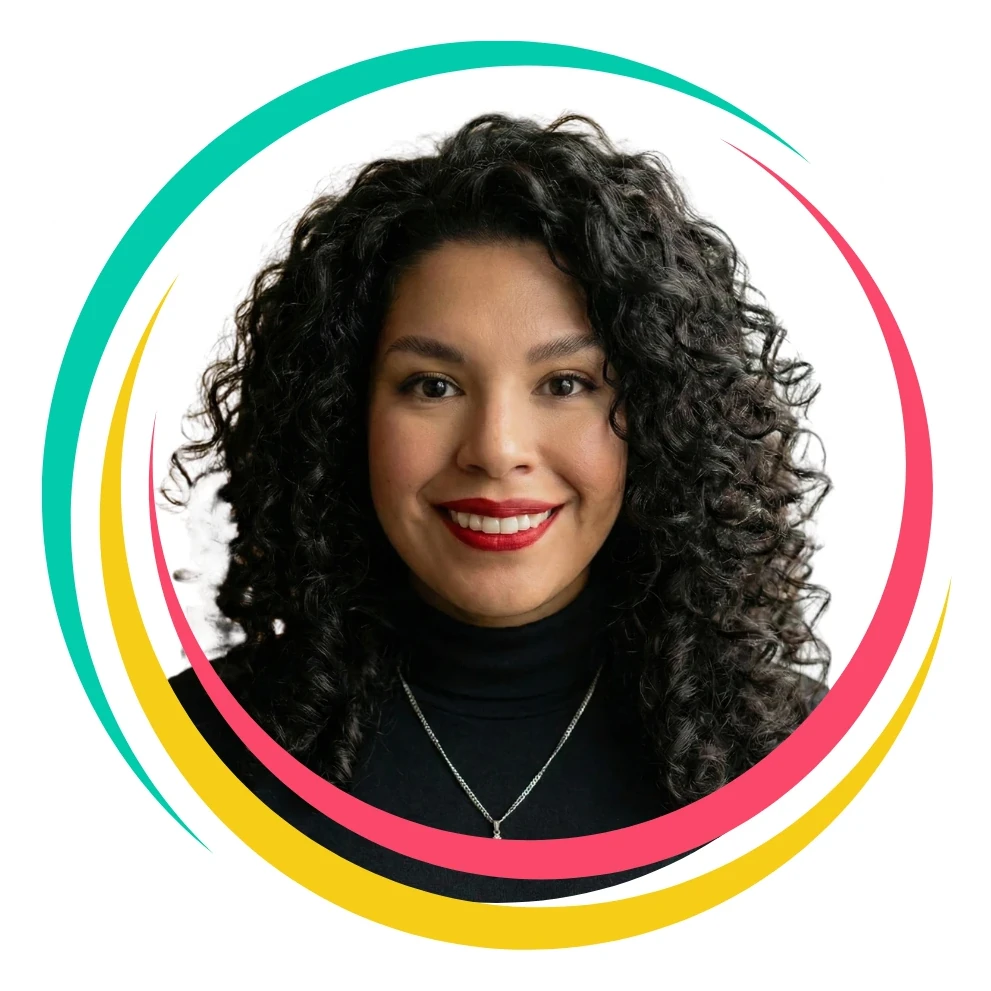
Yosmerys Aparicio Cuencas
Creator of the Elevate Youth Lab framework, founder of Supporting Communities Australia, and practising behaviour support practitioner in Western Sydney and the Illawarra. The framework was built from eight years of direct frontline work with young people aged 12 to 20 across disability, Out-of-Home Care, and complex-needs settings in Western Sydney. It is delivered through SCA's youth mentoring for young people with disability and positive behaviour support in Western Sydney.
How the framework is measured
Progress is measured by stage transitions, skill acquisition, and independence markers, all evidenced in real-life environments.
- Baseline established in Stage 1, in the specific settings where skills will need to live.
- Stage transitions triggered by clear observable markers, not calendar time.
- Skill acquisition recorded in real environments, not test conditions.
- Independence markers tracked across daily living, community, self-management, and transitions to adulthood.
- Reflection cycles built into each stage so the young person, family, and support team are looking at the same picture.
These measures generate the evidence that plan reviewers, DCJ caseworkers, allied health teams, and families need to see progress and defend continued funding.
See the framework in action
Refer a young person and we'll walk you through how the framework applies to their specific situation, before any service agreement is signed.
Refer a young person →Or call us: 0480 800 521